Not sure what Combined Sewer Overflow Long Term Control Plans (LTCPs, for short) are and why they’re vitally important to New Yorkers? Let WaterWire and the S.W.I.M. Coalition help—and then get involved!
LTCPs are sweeping strategies now being formulated to reduce pollution in 10 water bodies in New York City: Alley Creek (Queens), Bronx River, Coney Island Creek, Flushing Bay, Flushing Creek, Gowanus Canal, Hutchinson River, Jamaica Bay, Newtown Creek, and Westchester Creek. One more plan is known as the East River/Open Waters LTCP, and it includes all other New York City waterways into which CSOs discharge, including the Hudson and Harlem Rivers, Kill Van Kull, and Arthur Kill.
These 11 plans are the result of an agreement in March 2012 between the New York City Department of Environmental Protection (DEP) and the New York State Department of Environmental Conservation (DEC). The plans are in various stages of development by the DEP, and robust public input is needed to make sure they’re comprehensive and effective. Here’s where the S.W.I.M. Coalition comes in.
S.W.I.M.—whose name stands for Stormwater Infrastructure Matters—is planning an education and outreach program, including a series of workshops, that will help communities not only be conversant with urban environmental issues and jargon, but also contribute effectively to the LTCP process and become stewards of their local water bodies. The first two workshops, for the Coney Island Creek and Jamaica Bay communities, will take place in the late winter/early spring of 2016. Why those two first? In the rolling DEP schedule, those LTCP plans need to be submitted to the DEC by June.
“In each workshop, we’ll give local stakeholders the breakdown in plain English of what the plans as proposed would yield and what we would like to see the plans include,” said Julie Welch, S.W.I.M. coordinator.
A new S.W.I.M. fact sheet shows a map of the 11 LTCP waterways, notes each separate LTCP timeline, and suggests ways to speak up at a DEP meeting (e.g.: “Ask the NYC DEP how they plan to control CSO in your water body. Will they reduce CSO? Can expanding green infrastructure help reduce CSO? Or, will DEP add chlorine to disinfect CSO, and what health and environmental risks does this pose?”)
“We want to make sure everyone knows about these public meetings,” Ms. Welch said. “There’s been an ongoing dialogue between S.W.I.M. and DEP regarding the need for a deeper level of public engagement. We will break down information into clear terms that the average citizen can understand and feel like there’s something he or she can do.”
“It’s very exciting,” she continued. “Our mission is to make these inroads into these LTCP communities, and identify key players who can help communities continue their engagement and monitor the implementation of these plans.”
Check the Waterfront Alliance’s events calendar early next year for dates and details about the S.W.I.M. Coalition workshops. Get a head start by looking over the organization’s insightful comments about the three draft LTCPs published so far.
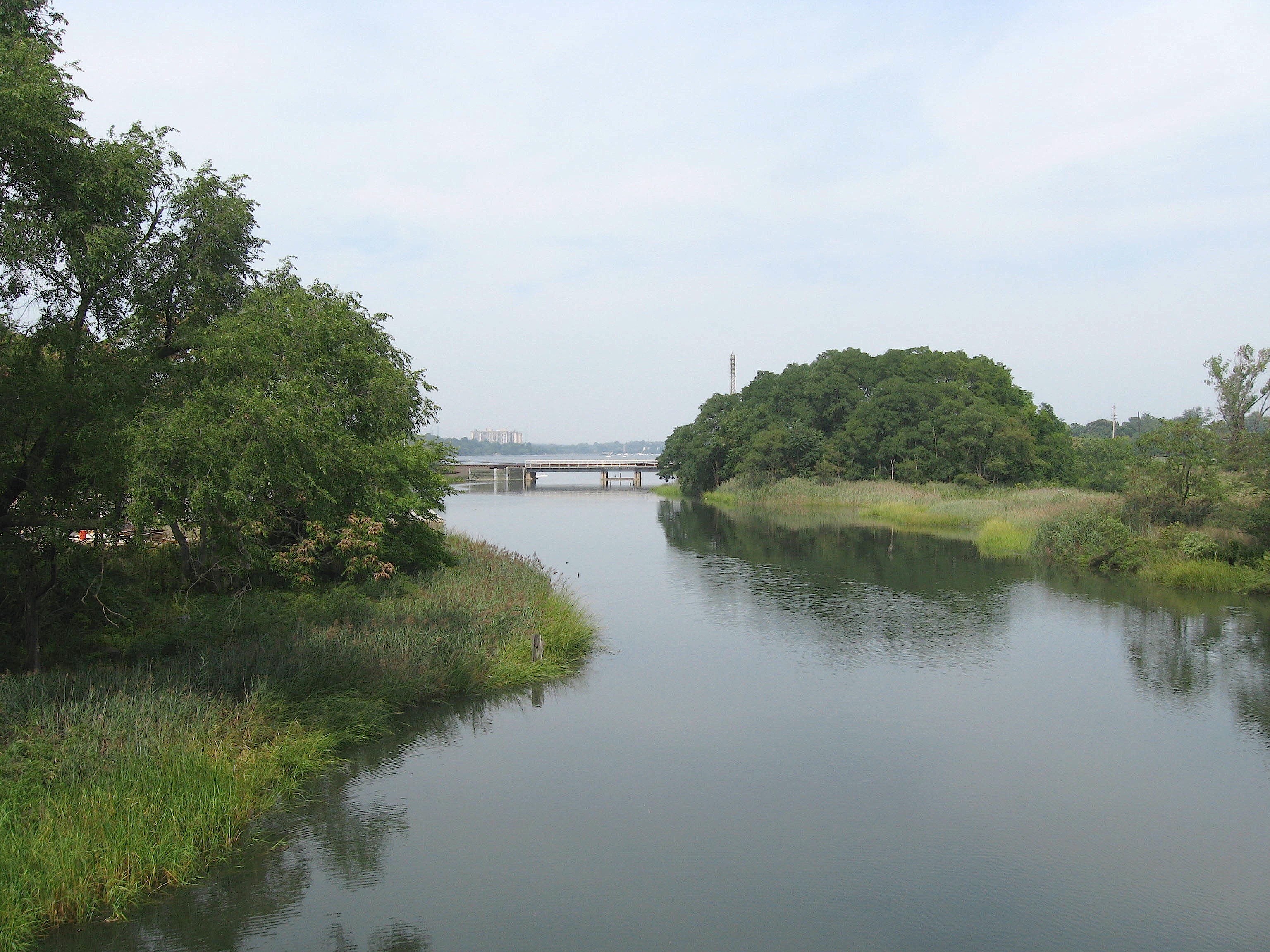
Photograph by Jim Henderson.